Flow Card
Comprehensive Guide on Tools and Frameworks for Building LLM Applications
About this opportunity
Guided action
Is this worth acting on?
Ask Flow for a fast read on fit, details, trust, and next steps. If you want to apply or prepare, move into FlowApply and add evidence before drafting.
The source/contact link is carried into Ask Flow or FlowApply so the session starts with context.
Talk to Mentors
Related
-
Early Career Research Group Leader for Machine Learning in Science
The Cluster of Excellence "Machine Learning - New Perspectives for Science" at the University of Tübingen is seeking aspiring scientists f..
Machine Learning . Personal Growth . Others
-
a16z Build: Talent Engineer Fellowship
The Talent Engineer Fellowship by a16z Build is a specialized program designed for individuals who want to sit at the intersection of engi..
Computer Science . Machine Learning . Entrepreneurship . Personal Growth
-
IMPRS-TRUST PhD Program in Computer Science
The International Max Planck Research School for Trustworthy Computing (IMPRS-TRUST) is a world-class doctoral program focused on the fund..
Computer Science . Machine Learning
-
Digital Product School by UnternehmerTUM
The Digital Product School (DPS) is Europe’s most successful training program for cross-functional teams focused on building digital produ..
Computer Science . Machine Learning . Design . Personal Growth
-
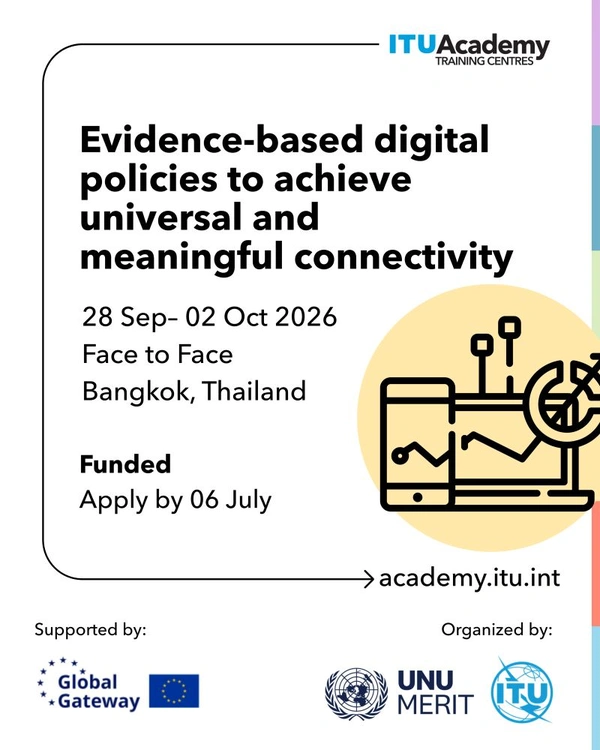
Evidence-based digital policies to achieve universal and meaningful connectivity
This advanced-level face-to-face training program, organized by the International Telecommunication Union (ITU) and funded by the European..
Machine Learning . Others
-
AI for Asia Fellowship 2026
The AI for Asia Fellowship, organized by Siklab, is a pioneering 12-week intensive program aimed at empowering the next generation of inno..
Machine Learning . Entrepreneurship . Personal Growth